
The Biography of the Band Zhnec
Zhnec is a metal project founded in Orenburg by two provincial young men in 2010. It all started when two guys who had known each other since their school days crossed paths again by chance. After talking, they realized they shared many common interests. Most importantly, they had a strong desire to be creative and the opportunity to try and put together a band that would play dark, aggressive, yet melodic music.
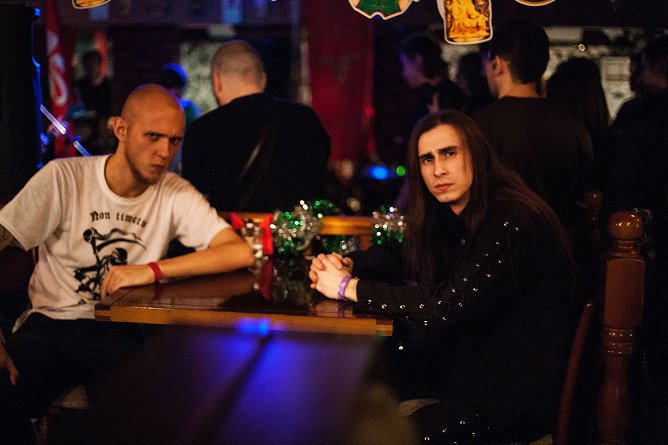
(Photo: 2014 — Winter Assault)
Like many other serious matters discussed and decided in our country, everything was predetermined in the kitchen of Alexander Neverov (stage name Grolian), the future vocalist of the band. One day, Abigor (Alexey Poludarov) dropped by for 'a cup of tea' and pitched the idea of the project:
Sanya, here’s the deal. I know you’re drawn to metal and trying your hardest, but I see there’s not much progress in the projects you’re trying to play in. Why don't we just screw it? Let’s team up and create something of our own!
Alexander, after a brief moment of thought, agreed that very same evening.
The roles were divided as follows:
Alexander Neverov — vocals, rhythm guitar, lyrics.
Alexey Poludarov — music, lead guitar.
After that, they began their first rehearsals.
Alexey Poludarov — music, lead guitar.
After that, they began their first rehearsals.
The band's first birthday is considered to be January 15, 2010; it was on that brutal winter day that everything was predestined.
Like many amateurs and newcomers, they started by covering famous foreign bands. In fact, they covered whatever inspired them. It was during this time that their first cohesive original songs began to take shape, which were later recorded as the 'Awakening' demo.
For about a year, Alexey and Alexander routinely rehearsed a couple of times a week in a typical five-story panel building. They were undeniably lucky with their neighbors, who got used to it and never raised any questions, complained about the noise, or filed police reports (this was back before the 2011 police reform). In fact, over that year, the entire neighborhood had heard it all and knew exactly what was going on. Passersby would even pause by the windows to say hello, listen, and share their thoughts, especially during the summer.
Band Name
After some time of active work, the members began to think about a name for the band. A million ideas were running through their heads, but the musicians lacked a clear vision, as their lyrical themes were multifaceted. They needed a concise, powerful name that could somehow capture the atmosphere, core essence, and mood.
Solving this issue didn’t take long either. Alexey was suggested the name Messor (the first working title). It references the work of the great literary genius Terry Pratchett, who wrote the satirical fantasy series 'Discworld'—specifically the novels from the 'Death' sub-series.
To put it briefly, the story goes like this: in one of the books, the main character, who is Death’s apprentice, becomes a duke. Naturally, any duke has his own heraldry (a coat of arms, a motto, etc.). The motto of his family line was 'Non Timetis Messor,' which translates to 'Don't Fear the Zhnec.'
The band simply took the last word.
"The name Messor didn’t last very long. Literally within half a year, the decision was made to change it slightly to Zhnec—simply using Russian instead of Latin.
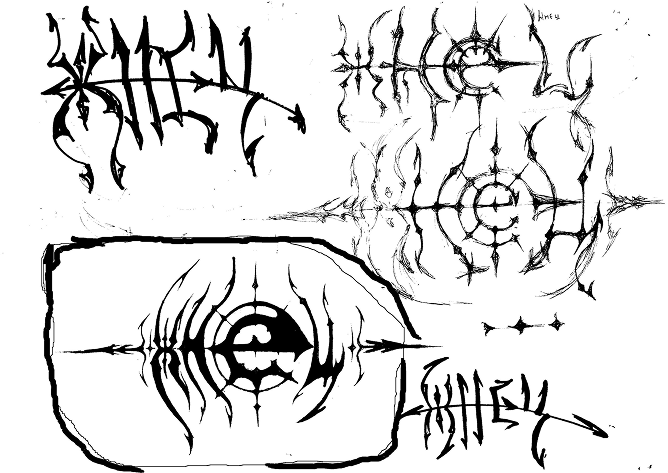
Firstly, because a band named Messor already existed somewhere in sunny Spain. Secondly, the musicians simply preferred their native Russian language, so a short, punchy name that was easy to pronounce and remember became the perfect solution.
Here, of course, one could dig deep and debate the concept, philosophy, and metaphysics of our art, but there is absolutely no need for that—we are all about simplicity. We believe the two points mentioned above are more than enough to understand why the name change happened.
As for the visual style: all the artwork and design for the band Zhnec was created by one person—Helga Samarina. She worked on the album covers, art, and merch.
And now, let’s get back to the creative process
The band had already written about 10 songs, which brought up a natural question: what to do next? Where and how should they move forward? While rehearsing and composing new material was certainly great and fun, it was time to take a step forward. Thus, the decision was made to recruit more musicians and finally move to a proper rehearsal studio.
Abigor had an old acquaintance who was also drawn to making music and had a strong desire to play drums. Most importantly, he had the means to buy all the necessary gear. As you can imagine, in a provincial town—and especially back then—being able to buy a double bass pedal was already pretty damn cool!
That’s how the band got its first drummer—Sergey Savchuk, also known as Gorgonus. It was winter 2011, with brutal January cold, and the band finally had their first rehearsal scheduled at a proper studio. For some reason, they decided to book it for 9 AM on a Sunday. Why that specific time was chosen is impossible to remember now, but that day is still frequently brought up—how freezing it was on the way, and how long they spent trying to find the private house where the long-awaited studio was located. But they found it, made it inside, tuned up, and began to slowly play through everything that had accumulated over a year of writing.
They had minimal experience, and everything turned out pretty sloppy, but it was fun, and everyone enjoyed it to the fullest. Most importantly, they began to gain priceless experience and at least a ghost of a tight band chemistry.
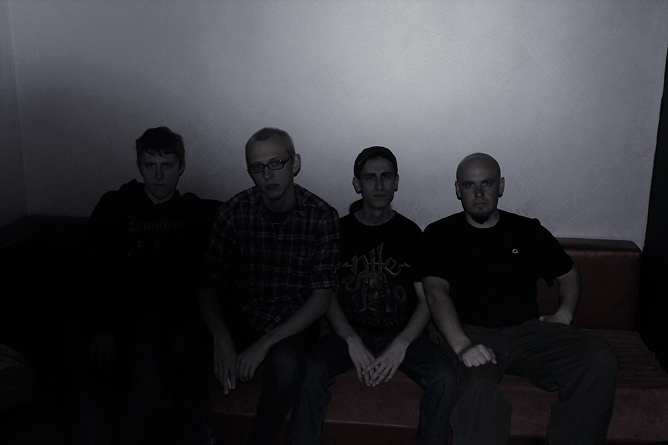
(The band's first lineup, left to right: Asmo, Grolian, Abigor, Gorgonus; photo from the Renaissance Metal Fest, 2013)
After wrapping up a handful of rehearsals, the band realized that something was seriously missing in the sound. Big time. And naturally, what kind of band goes without a bass player? When they were playing in the apartment, his absence wasn't critical—one guitar was enough to fill the room with sound. But at the studio, with live drums in the mix, that sharp lack and emptiness was felt very strongly.
At that time, there were no bass players or any other musicians on the horizon whom they could invite to play in Zhnec.
But Abigor had (and still has) a childhood friend who was also drawn to metal, owned some no-name electric guitar, and basically knew how to play power chords in the right places, had a good ear for music, and plenty of enthusiasm. The only things left to do were to find out if Asmo (Dmitry Ivanov) would agree to join the band as a bassist, and to find a decent bass guitar—preferably for free, since the band members' financial situation was, to put it mildly, severely limited.
They didn't have to go far to find out his decision, as they lived in the same building, shared the same entrance, and their apartments were even on the same landing. Abigor dropped by, explained the situation, they talked it over, and naturally, Asmo agreed almost without hesitation, shaking hands on it. Now, all that was left was to find the long-awaited bass. That issue was resolved pretty quickly too, since the band already had a potential bass in their arsenal that had been gifted to them, but they just needed to pick it up from the owner. By doing so, they proved the very popular theory that thoughts materialize and opportunities manifest much faster when backed by a strong collective desire."
Musical and Lyrical Components
Time went by, and they started traveling to rehearsals as a full 4-man crew, while their material finally took on a more or less decent sound.
Now it’s worth talking about Zhnec's musical style back then and their main influences. When the band was just taking its first creative steps, they tried playing absolutely everything they could, ranging from punk rock to doom and black metal. As for what they listened to, that’s a whole different story that deserves an entire article of its own, especially since all the band members had vastly different musical tastes. But gradually, everyone agreed and converged on black metal as their main direction.
As for the tracks that were regularly rehearsed, the band's material consisted mostly of black and doom metal, in an 80/20 ratio. Only the first two songs ever written could be categorized as doom metal: 'The City' and 'The Branch of Time' (the latter was never captured in a recording and never played live, essentially vanishing into oblivion).
As for the tracks that were regularly rehearsed, the band's material consisted mostly of black and doom metal, in an 80/20 ratio.
Only the first two songs ever written could be categorized as doom metal: 'The City' and 'The Branch of Time' (the latter was never captured in a recording and never played live, essentially vanishing into oblivion).
And everything else falls under black metal; most of these tracks can be found on the 'Awakening' demo album."
There were also various sketches in other extreme music genres, as the musicians have always loved—and still love—experimenting with sound and styles. However, those tracks were never meant to see the light of day; they were simply work-in-progress materials needed to build better band chemistry and master new tricks that could be used in their main work. Besides, it gets boring playing the exact same thing all the time—you always want to try something new. It’s cool when a band can just pick up and play absolutely anything without any barriers. That’s what Zhnec has always aimed for and continues to pursue. Having tunnel vision is one of the main problems for most bands. Refusing to accept new things and changing trends—you need to clearly understand all of this and try to adapt to the environment.
This doesn’t mean you have to 'flip-flop' and blindly follow trends, but you must try to become more relatable to those who still attend live shows.
Zhnec has never tried to be 'super-true,' 'cult,' or anything like that. It might sound cliché—after all, almost every band says this—but for them, first and foremost, what mattered was the music itself, its sound, the variety of elements, experiments with blending other styles, the creative process, and the desire to deliver their message.
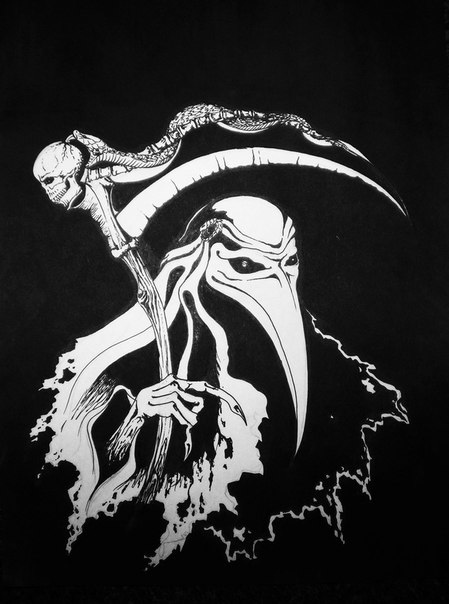
Самый первый арт
They also tried to pay close attention to the lyrics. The songwriting process remains unchanged to this day. Let’s pull back the curtain a bit on how the band worked and continues to work on their texts. Abigor sets the direction, the theme, and outlines the core essence of the track, and then Grolian writes the lyrics for it, which were later set to music during rehearsals and transformed into full-fledged songs.
Subsequently, the process of fitting the lyrics to the riffs changed slightly, but when it comes to writing the actual text, everything remains the same.
As for what they actually sang about and what they wanted to convey through their music
It can’t be said that the band was highly unique or stood out in any extraordinary way. The first lyrics were quite simple and, to some extent, naive.
Everything was just beginning, and they tried writing about different things, but the main thing was that it was already their own art, closely reflecting the band members' mental state at that time.
For instance, the song 'The City', oddly enough, was written about the place where we live, but in a global sense. It’s not about any specific city—it is more about the world as a whole.
For example, Alexander also wrote about various fantasy themes; the track 'The Bloody Commander' was based on the lore of the Diablo universe.
Naturally, they also wrote lyrics on historical themes, with a touch of pagan metal, as they were superficially into ancient Slavic paganism. 'Beyond the Distant River' was precisely written during those times.
And of course, there was no escaping the classic misanthropic black metal—tracks like 'Retribution' and 'Sky of Steel'. By the way, the lyrics for 'Sky of Steel' were written by Abigor; it remains the first and, so far, only song entirely penned by him.
For instance, the song 'The City', oddly enough, was written about the place where we live, but in a global sense. It’s not about any specific city—it is more about the world as a whole.
For example, Alexander also wrote about various fantasy themes; the track 'The Bloody Commander' was based on the lore of the Diablo universe.
Naturally, they also wrote lyrics on historical themes, with a touch of pagan metal, as they were superficially into ancient Slavic paganism. 'Beyond the Distant River' was precisely written during those times.
And of course, there was no escaping the classic misanthropic black metal—tracks like 'Retribution' and 'Sky of Steel'. By the way, the lyrics for 'Sky of Steel' were written by Abigor; it remains the first and, so far, only song entirely penned by him.
If we were to talk about any clearly defined message from the band to our potential listeners back in 2011, there probably wasn’t one. It could be described simply as interesting thoughts and stories—in our opinion—that we wanted to share with the audience.
In any case, every member and fan of our work found exactly what resonated with their own spirit. That is what continues to unite all of us to this day.
The Departure of Gorgonus, Kramer's Ascension to the Drum Throne, and the Debut
Let’s move on to the events that followed. After some time (somewhere between 2012 and 2013), Gorgonus decided to leave the band, and Zhnec was temporarily left without a drummer.
By that time, Abigor was well acquainted with a great guy named Artyom, known to everyone in tight circles as Kramer. They had met completely by chance through mutual friends and found tight common ground over black metal, as well as sharing a similar outlook on life. In short, they became close friends. The group of friends they had met in eventually fell apart, but their friendship survived and grew even stronger.
Kramer was also always drawn to metal, had a massive desire to learn how to play drums, and used to attend the band's rehearsals as a guest. At times, he even tried to fill in for the main drummer whenever the latter couldn't make it to a rehearsal.
He was invited to try playing in the band on a permanent basis. And they made the right call.
In a very short time, he got the hang of it pretty well and was already consistently playing the live set and all the covers they usually ran through. He got himself a double bass pedal, some cymbals — in short, he fit right in. (You should have seen his first double pedal: you needed special tools just to assemble or disassemble it; it’s a pity there are no photos left in the archives).
For about another year (2013-2014), the band routinely and very persistently rehearsed, building their chemistry. But the members already felt a strong, lingering desire to try performing live and showcase all the material they had developed.
He was invited to try playing in the band on a permanent basis. And they made the right call.
In a very short time, he got the hang of it pretty well and was already consistently playing the live set and all the covers they usually ran through. He got himself a double bass pedal, some cymbals — in short, he fit right in. (You should have seen his first double pedal: you needed special tools just to assemble or disassemble it; it’s a pity there are no photos left in the archives).
For about another year (2013-2014), the band routinely and very persistently rehearsed, building their chemistry. But the members already felt a strong, lingering desire to try performing live and showcase all the material they had developed.
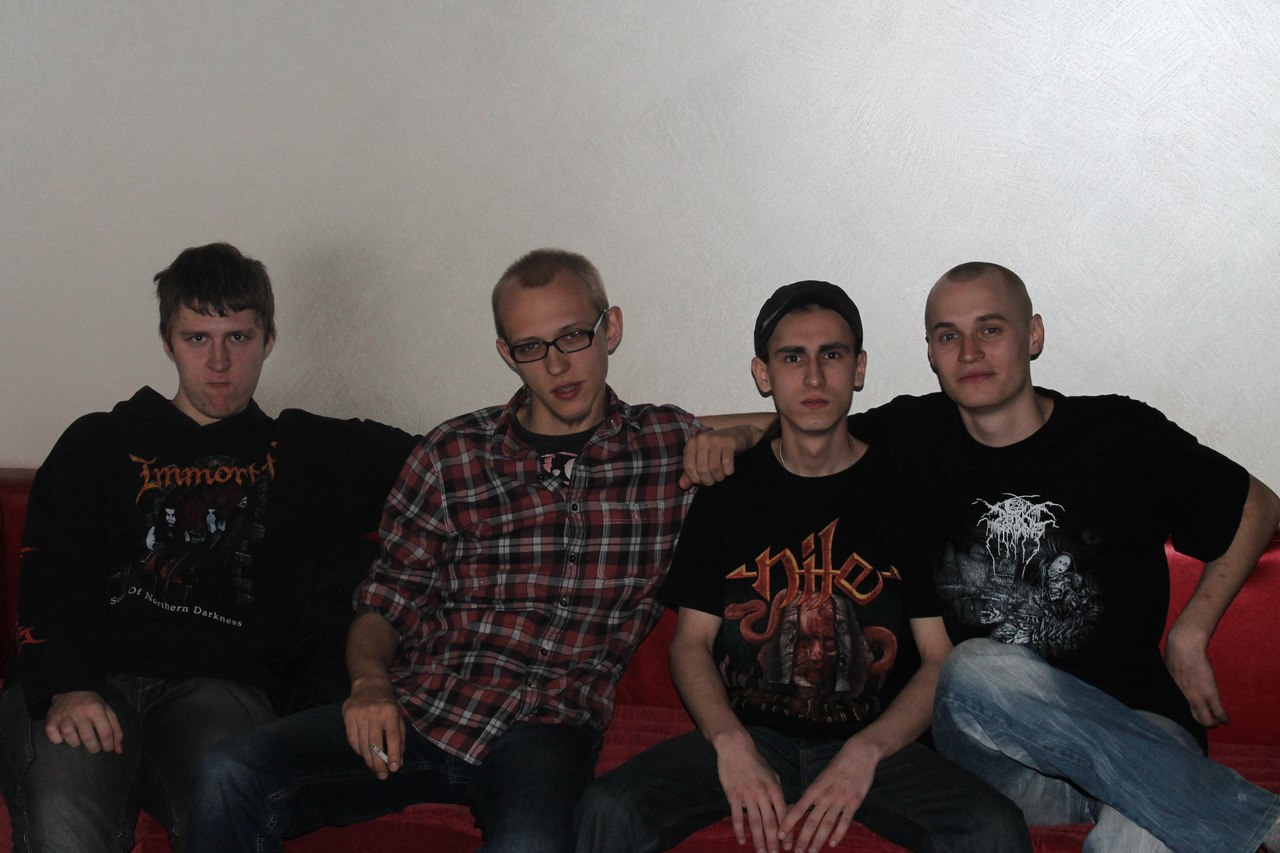
(The updated lineup of the band, left to right: Asmo, Grolian, Abigor, Kramer; photo from the Renaissance Metal Fest, 2013)
The gods (or the universe) heard the collective battle cry, or maybe Zhnec just got lucky. Nobody remembers for certain exactly how it happened, but basically, Abigor crossed paths with an old acquaintance of his, who would later become his friend and another member of the Zhnec lineup—Stalich (Alexey Strizhakov). It turned out they were planning to bring the band Alkonost to Orenburg and put together a massive metal concert for the occasion, featuring almost every active local band at the time.
And naturally, Abigor pitched his own band. However, the organizers had to drop by a rehearsal to listen to the state of their material and decide if it was ready to be shown to the public. The band itself was confident and pretty well prepared (or so they thought at the time).
The organizers came, sat through a rehearsal with the band, listened, and officially confirmed Zhnec as part of the lineup. Naturally, the band was over the moon. After all, their debut was finally going to happen—something they had been working toward for a very long time. Active preparations for the concert began. The setlist was finalized, featuring all their bangers and a couple of covers of black metal giants like Burzum and Darkthrone.
The organizers came, sat through a rehearsal with the band, listened, and officially confirmed Zhnec as part of the lineup. Naturally, the band was over the moon. After all, their debut was finally going to happen—something they had been working toward for a very long time. Active preparations for the concert began. The setlist was finalized, featuring all their bangers and a couple of covers of black metal giants like Burzum and Darkthrone.
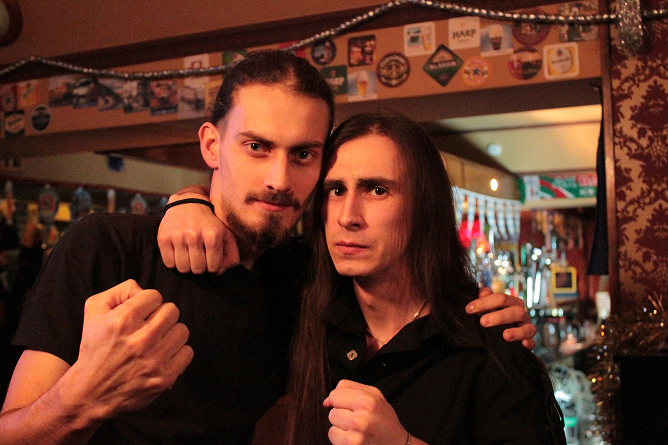
(Stalich, Abigor; Winter Assault, 2014)
Call to Arms, Asmo Leaves to Return.
Next came a period of quiet, a move to a different studio, and the writing of new songs. More precisely—one new song that would later become a total powerhouse. The track was 'Lies and Contempt'. The band wrote what was probably the most sinister and aggressive song in their entire repertoire at that time. The lyrics were perfectly matched to the music.
Shortly after, an event occurred that wasn't very pleasant for the band—their bass player, Asmo, was drafted into the army. He is the only member of the band who had the 'good fortune' to serve in the military. The group faced a tough question: what to do next and how to continue their creative and live activities, as they were already used to working as a full lineup. However, a solution was found pretty quickly.
Abigor suggested that Stalich join the band as a bass player during Asmo's absence. Stalich accepted the offer, and Zhnec continued their creative and live activities.
Just as the lineup settled and they ran through the material with the new bassist, Zhnec started receiving offers from various organizers to play gigs. These were pretty packed local shows, but the turnout was great. Up to 80–100 people would cram into a very small, tight venue just to mosh hard to the music. It was truly great to see. All in all, the band was highly impressed and didn't want to stop.
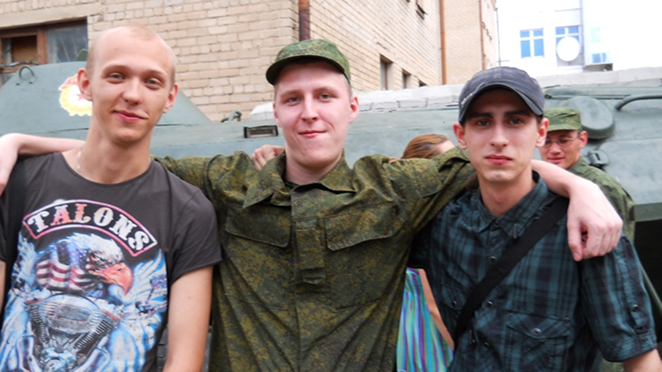
(Asmo's Send-Off, 2013)
The Addition of a Violinist and the First Self-Organized Concert
A bit of a lull in their live activities followed; the band was working on new material, running through new covers, and decided to experiment a little. As it turned out, one of their female fans shared the same wild desire to play in a metal band and happened to be a violinist by profession. She was introduced to the crew, they discussed everything, and she outlined her situation and intentions. Abigor and Grolian thought: why not give it a shot? After all, the band had some drafts where violin parts could be successfully incorporated. They decided to work together and invited her to join the team. That was how Zhnec got its violinist—Elena Krasavtseva.
It was 2014, and still no gigs in sight. The band decided to record a demo album, figured out which tracks would be included, and rehearsed everything one more time—this time with the violinist. They holed up at Stalich's place, recorded everything in a few days, and then he mixed the whole thing.
The resulting material can be found on MySpace; unfortunately, at that time, the band couldn't deliver any better content. There was no experience, no understanding of how it's done, and frankly, no funds to comprehend, master, and properly record and mix everything.
But on the bright side, there was an overwhelming desire to formalize the existing material and release a couple of dozen CDs, so that friends and fans could listen to Zhnec on physical media or add it to their VK playlists.
The band handled the task to the best of their strength and skills.
On April 22, 2014, the 'Awakening' demo album saw the light of day. Seven tracks were presented; the cover and all the artwork were created by Helga. In total, 50 or 60 CDs were released and distributed among the most loyal fans. They also prepared 2 copies adapted for the European market. These were sent out to 2 record labels, though, of course, no feedback was ever received. Nothing ventured, nothing gained...
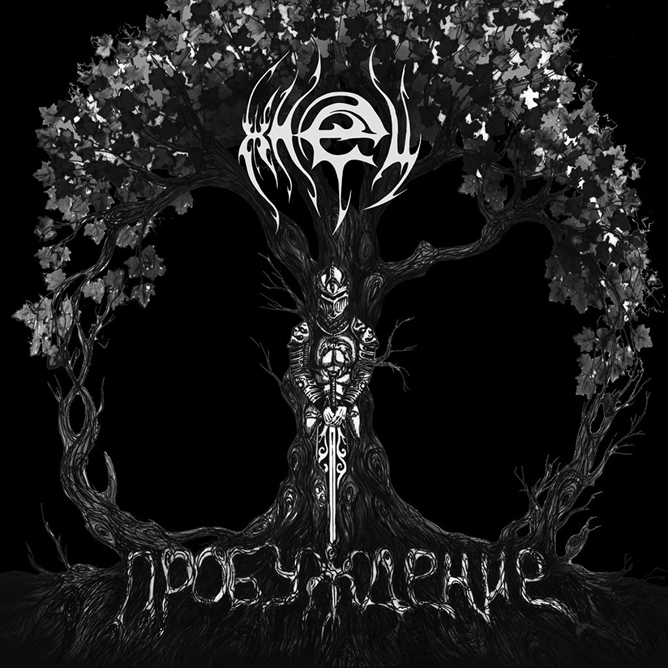
(Zhnec — "Awakening", Demo Album, 2014)
It’s also worth noting that in parallel with the recording, the band was preparing for their first self-organized concert.
It was Metal Awakening 2014
Since the city's event scene had gone pretty dead during that period, while their desire to perform only grew stronger, the band decided to take this desperate step.
Everyone understood that a single band wouldn’t be enough for a full gig, so they decided to invite some friends to play with them—one of the city’s oldest and most respected metal bands, 'Stribozhi Vnutsi'.
Everyone understood that a single band wouldn’t be enough for a full gig, so they decided to invite some friends to play with them—one of the city’s oldest and most respected metal bands, 'Stribozhi Vnutsi'.
It was a rather landmark concert for Zhnec. It marked their first experience as organizers, along with a change in the roles of the band members; it was Stalich's first concert as a permanent member of the group, Elena's debut, and the presentation of a new song, "Chelovek" (Human), which will be included in the upcoming album "Zakat Bezlikikh" (Sunset of the Faceless) and will serve as its title track.
Regarding the change of roles
As you may recall, up to that point, Grolian had been the vocalist and rhythm guitarist. However, the new material forged after the release of the demo possessed a completely different musical foundation. Aleksandr simply lacked the technical skills to handle the parts written by Abigor, so the following decision was made: Stalich was invited to join the band on a permanent basis as a rhythm guitarist, while Grolian was to switch to bass until Asmo's return, and, of course, focus on his primary craft — delivering the word from the stage.
The event itself was quite a success, despite taking place in a small pub that didn't even have a proper stage. After all, the crowd was also starved for concerts and was thrilled to attend this spring coven.
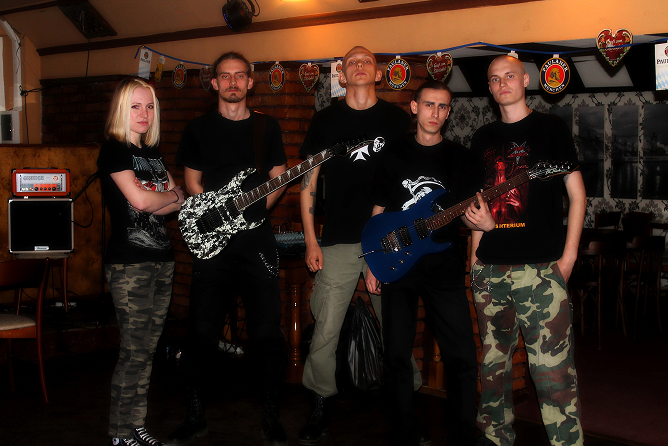
All in all, everyone enjoyed it, and the band realized clearly that organizing concerts poses no major issues as long as you have the right connections, a modest amount of money, and a shared enthusiasm to hold it all together.
The Return of Asmo, the First Open Air, and Winter Assault I
In the summer of 2014, Asmo returned from the army and took his rightful place as the bass guitarist. Meanwhile, Grolian became a full-fledged frontman, completely unburdened by a musical instrument.
Around the same time, the band received an offer from previously unknown organizers to perform at a large city rock festival, which was set to take place in one of the city's biggest parks.
The organizers wanted to prove that rock 'n' roll was alive and well in the city in all its diverse forms. As it turned out, of all the active bands in Orenburg, they considered Zhnec to be the most extreme by local standards, and they were incredibly eager to have the group perform.
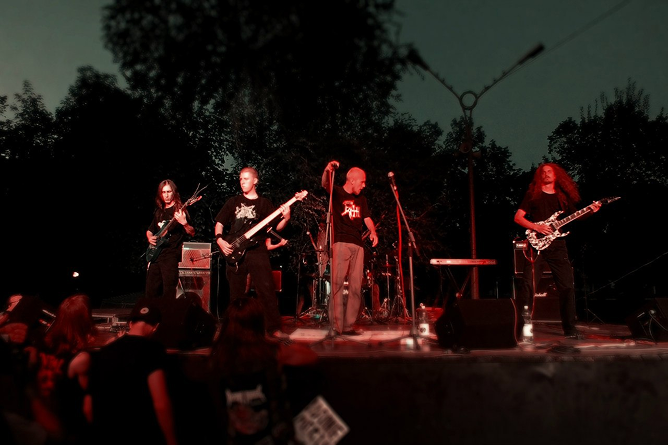
("Our Place" Concert, 2014)
This concert was memorable for two contrasting reasons: on the positive side, it was the largest in the band's history at that point; on the negative side, it was an event with the absolute worst sound both on stage and in the audience.
Through the end of 2014, Zhnec focused on working on new material; in fact, between 2014 and throughout the entirety of 2015, the lion's share of the upcoming album, 'Zakat Bezlikikh' (Sunset of the Faceless), was written.
Driven by a newfound concert frenzy, the band was eager to perform more and more. Consequently, they decided to independently organize another show, this time on a much larger scale than their previous one (Metal Awakening).
Driven by a newfound concert frenzy, the band was eager to perform more and more. Consequently, they decided to independently organize another show, this time on a much larger scale than their previous one (Metal Awakening).
They named the event Winter Assault, deciding to gather all the heavy bands that were still standing at the time. The invitation to perform was accepted by Stribozhi Vnuci, Ammat, and Hated. For the first time, they also invited guests from another region — Neron Kaisar (from Ufa) — who responded, accepted the invitation, and delivered a killer set as headliners. Naturally, after the concert, everyone had a great, heartfelt time together. The venue they rented was the same pub, but it was already getting too small for shows featuring more than two bands.
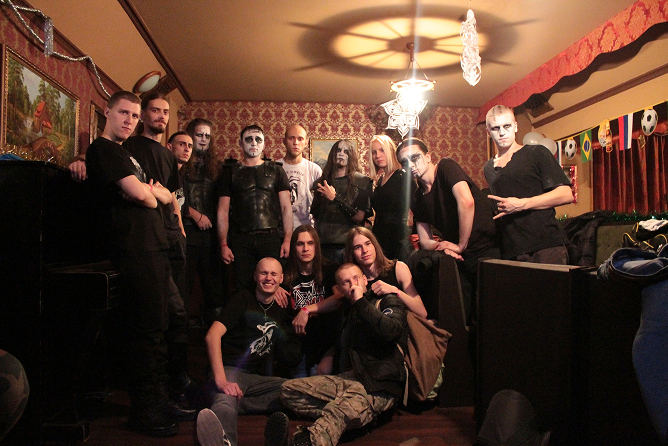
(Winter Assault, 2014)
The Trip to Zerberfest and Welcoming a Keyboardist to the Band
It was January 2015, and the band decided to bring in another member. Since no one had any intention of stopping their experiments with the sound and the overall musical foundation, adding a bit more symphonic element and depth was just what they needed to complete the picture.
Keyboardist Sergey Sorokin burst into the band, being only 17 years old at the time he joined Zhnec.
Despite his youth, he possessed serious command of his instrument, picking up the parts effortlessly and bringing many new and diverse elements into the already finished compositions.
In April of that same year, they decided to take a road trip to Ufa and play an away gig.
They contacted the organizers, who readily gave the band the green light, and everyone quietly began preparing for the trip. The concert was called Zerberfest; it is held regularly in Ufa and frequently draws bands from all across the country.
Overcoming financial difficulties (as is usually the case with young musicians), they bought their tickets, everyone jumped on the bus, and they sped off in anticipation, traveling nearly 400 kilometers. They arrived late in the evening under a torrential downpour; fortunately, a fellow musician from Neron Kaisar met the band and escorted them to their lodging. However, the band was in no mood for sleep. The members kept wondering how their first away performance would turn out.
The next day, they took a short stroll around the city, taking in, so to speak, the scale of Ufa. They visited the local cult rock shop 'Sound' and left their demo CD there as a memento. As soundcheck time approached, they headed to Rock`s Cafe, where the event was set to take place.
They arrived at the venue. About 15–20 minutes later, the band was told, 'Hit the stage, we’re gonna check you now.' Being down-to-earth guys, everyone got their instruments out, plugged in, and ran through 2–3 song fragments in literally 15 minutes to assess the sound. Everyone loved it—everything was crystal clear, the monitors were blasting, and the sound engineer properly balanced absolutely every instrument, including the finicky violin. In a word, it was perfect.
With that done, the musicians settled in to wait for their turn to take the stage. This time, following what had already become a glorious tradition, Zhnec was set to close the show.
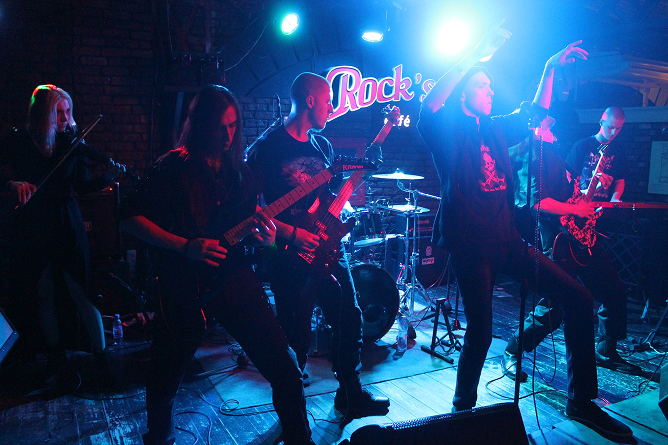
(Zerberfest 2015; Ufa)
After the event kicked off, the organizers approached the band and asked them to perform somewhere in the middle of the lineup, because some group either couldn't make it or was running late. However, the musicians stood their ground — Zhnec plays at the end, period.
At that moment, nobody realized yet that a fatal mistake was being made. There were many bands, each with a 30-to-40-minute set. Our band just sat there waiting and waiting, while our fellow musicians played on and on. With every performance, the crowd grew smaller. Gradually, it dawned on everyone: we were getting exhausted, we were hungry, and the lineup showed no signs of ending. Around 10:00 PM, it was finally time for Zhnec to take the stage.
Everyone gathered their strength, stood up, plugged in, and looked out at the hall—only to see that it was looking incredibly thin. There were 30 people at most. Yet, they played the gig as if it were their last, giving it their all for the entire 45 minutes allotted to them. Those who stayed behind did not regret it for a single second, having chosen to spend their precious time right there.
Winter Assault II, Parting Ways with the Violinist, and a Joint Show with Slovenia's Dekadent
After the Ufa concert, a sort of dead season set in. It was 2015, and while the band was consistently showing up for rehearsals, they never got around to playing gigs or recording. To make matters worse, their violinist, Elena, left the collective.
They had already generated enough material for a one-and-a-half to two-hour live set, and had rehearsed a bunch of great covers of Dimmu Borgir, Shining, Cradle of Filth, Paradise Lost, and Watain, so they were dying to play some of them live. Gathering their strength, they decided to throw another concert towards the end of the year. They kept the original name, Winter Assault, simply adding that it was Part II.
Once again, they invited their comrades from Ufa, but this time with support: along with Neron Kaisar came the death metal band Bestiality Business. The venue changed as well—they managed to strike a deal and rent Fabrik, which was one of the largest clubs available for hosting events in Orenburg at the time.
As usual, joining forces and working quietly behind the scenes, they managed to find the necessary gear and the sound engineer, who was now working his third concert with them. Once everything was paid for, they began actively preparing for the event.
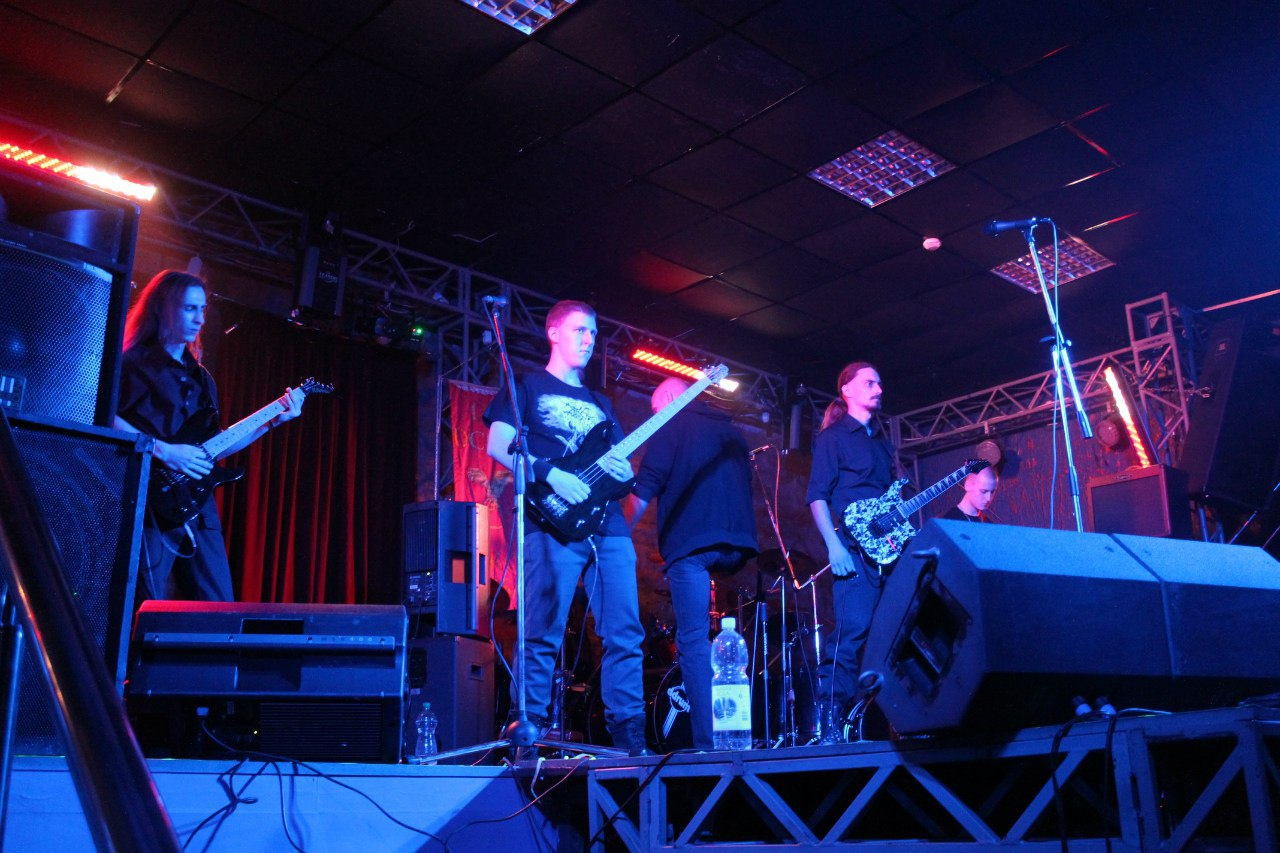
(Winter Assault II, 2015)
All in all, that concert was a real, heartfelt celebration for Zhnec—one that they had completely thrown for themselves.
Joint Concert with Dekadent" or "Co-Headline Show with Dekadent
Just a couple of months after WA2, Abigor spotted a news update that a relatively underground but fully-fledged overseas band, Dekadent (from Slovenia), was embarking on a tour across the vast expanses of Mother Russia.
Most importantly, they were planning to stop by Orenburg for a show. That very same day, the band contacted the organizers and got the green light to perform. Having just recovered from their previous concert and the New Year's celebrations, the guys emerged from hibernation, shook things up, and began preparing for the new event.
The winter of 2016 was brutal: people were freezing on the highways, the authorities began setting up warming stations, and the media even reported on heroic rescue stories. In short, it was total, harsh madness practically all across the country and the Orenburg region.
It was precisely during this period that our brothers from Slovenia were touring Russia. They managed to get through the central part of the country just fine, but as they drew closer to our region, they experienced the true essence of the Russian winter.
The concert was set to take place within the familiar walls of the 'Steel Eagles' bike bar, with the legendary Valeriy Babin and Yura Suetsyd running the sound. Consequently, the sound was bound to be absolutely killer (courtesy of Uncle Valera).
The band received a message from Dekadent saying they were heavily delayed due to the weather and just couldn't break through. The show was in jeopardy of being canceled, but thankfully, the backline was delivered, the sound techs arrived, and the check could begin. Meanwhile, a decent-sized crowd had already gathered in the hall.
It turned out that there wouldn't be any guitar stacks at the venue; everything was going to be plugged in and controlled straight into the board. At that point, everyone grew wary: how could this be, what kind of approach was that anyway? How was the band even going to sound? The guitarists had nothing of their own except for their overdrive pedals and guitars. However, the musicians were reassured and told, 'Just plug in, we’ll handle everything perfectly.' OK, no sooner said than done; they plugged in, tuned up, and honestly, everything sounded more than acceptable.
Next, the organizers received another message stating that everything was fine and Dekadent would make it, but they were about an hour and a half to two hours away.
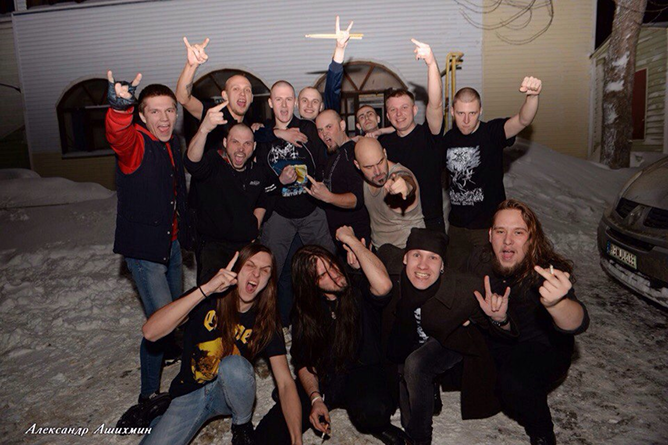
(Dekadent; Orenburg, 2016)
The band was handed a clear task: 'Play for as long as you can, we need to keep the crowd that has already arrived entertained.' Zhnec's carefully rehearsed set was timed for one hour. However, the group could easily pull off an hour and a half, or even a full two hours if needed. Which, as it turned out, is exactly what happened. They played absolutely everything available from their own repertoire and ran through pretty much every cover song they could. Sure, they flubbed a few notes here and there, but overall, they nailed the task, playing right up until the moment the Slovenians arrived.
“You are real fucking Russian black metal mafia,” Artur (the vocalist and leader of Dekadent) told Zhnec in a friendly way, and the band finally left the stage.
After that, it was highly entertaining to watch the guests perform. They had only just arrived and had already managed to get completely trashed; in fact, the vocalist was utterly wasted, likely due to a combination of exhaustion and stress.
They were badasses—they brought their own amp heads, but their amazement knew no bounds when Abigor told them, 'Guys, there are no cabs, everything is running straight into the board.' They hadn't even brought any overdrive pedals with them, since they relied entirely on their own native tube distortion. Zhnec's guitarists lent them their pedals. They played their set and were happy as clams. After the performance, they were hilariously shouting the Slovenian national anthem, firing an assault rifle, making a ton of noise, and drinking heavily. We even managed to jam with some of the band members.
Naturally, they didn't make a dime off the concert, because only a handful of people showed up, plus a bunch of guys who simply didn't pay for tickets since they were already inside the bar by the time the organizers arrived to collect money at the door. None of this fazed them at all—those guys were totally driven. But they will definitely remember Orenburg for a long time, and Zhnec promised them that they would come over and absolutely play in their homeland.
The Band's Final Concert at "Berkut" and the Breakup
It was the spring of 2016, and the band continued to actively prepare for the album recording, raising money and, of course, hitting rehearsals in parallel. In May of that same year, Zhnec was approached with a proposal by unfamiliar organizers representing the "Berkut" paintball club: "We want to organize a rock concert, but we don't know the best way to pull it off, so we invite you to take an active part in it".
The three of them—Abigor, Grolian, and Asmo—gathered and went to check out the club. It was impressive. They were shown where the stage would be built and where the lights and projector would be hung. All in all, it was quite a tour. To sum it up: the venue was pretty good, and the organizers seemed genuinely interested.
"The most critical point was to ensure that a decent backline was brought in, and Zhnec focused heavily on this detail. They specified what was needed, how much of it, where it would be best to set it up, and—most importantly—who could provide it. They also discussed their performance time and slot. This time, having learned their lesson the hard way, they decided to perform right in the middle of the lineup with a 45-minute set.
They began preparing for the show, deciding to go back to their roots and play something from the 'old days'; the choice fell on the song 'Za Dalney Rekoy' (Beyond the Distant River). They also decided that for this concert, they would play their most hard-hitting, uncompromising tracks and skip the covers entirely (indeed, this was the very first gig where Zhnec didn't play a single song by another band).
As for the performance itself, it turned out to be their final show before the band disbanded. To this day, it is considered the highest quality concert that Zhnec had ever put on.
This concert was literally their bloodiest. It was during the soundcheck that Abigor cut his finger on the strings. He kept quietly losing blood throughout the entire performance because he was constantly hitting the strings with the injured spot; BF medical glue didn't help, even though they tried to seal it up. It wasn't quite like Zakk Wylde, of course, but it was spectacular.
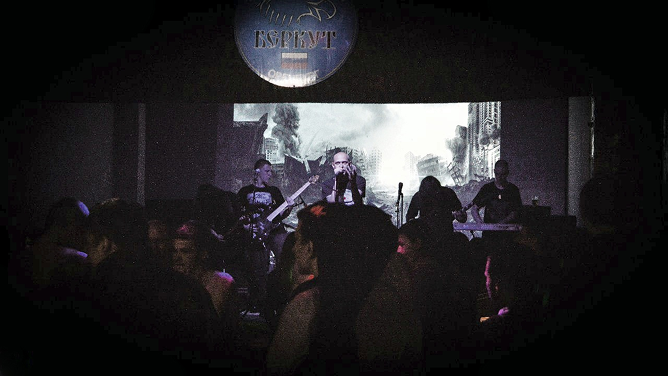
(Resonance; Orenburg, 2016)
What happened next
After yet another heartfelt concert, the band took a brief breather and returned to rehearsals.
However, they didn't last long: the group managed to work throughout the entire summer, but in September 2016, Aleksey and Aleksandr gathered once again at the meeting place that cannot be changed — the vocalist's kitchen, where they had spent countless, most soul-stirring evenings.
However, they didn't last long: the group managed to work throughout the entire summer, but in September 2016, Aleksey and Aleksandr gathered once again at the meeting place that cannot be changed — the vocalist's kitchen, where they had spent countless, most soul-stirring evenings.
And it was precisely then that Aleksey announced he had decided to move to another city, meaning the band would have to be disbanded. Aleksandr was the second person to find out, right after Asmo.
Naturally, a heavy drinking session followed right then and there. However, the alcohol didn't really go down well that evening, as everyone was feeling, to put it mildly, pretty down.
Naturally, a heavy drinking session followed right then and there. However, the alcohol didn't really go down well that evening, as everyone was feeling, to put it mildly, pretty down.
Later, the rest of the band members, who had still been kept in the dark, were notified.
That same month, Zhnec gathered one final time with their longtime lineup, ran through all the songs they used to play, and the band ceased to exist.
That same month, Zhnec gathered one final time with their longtime lineup, ran through all the songs they used to play, and the band ceased to exist.
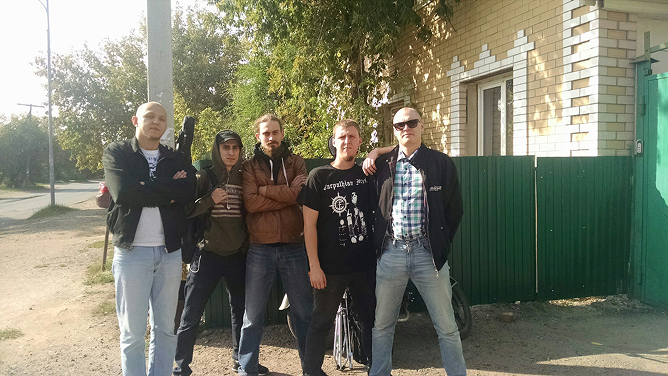
(Photo from the final rehearsal, 2016)
But naturally, the band members' careers did not end there. In one way or another, everyone continued to create and deliver their word. The exceptions were Grolian and Asmo. During the four years that the band was disbanded, they didn't manage to play anywhere due to certain circumstances. There was, of course, an attempt to get back together, but it never came to fruition.
Stalich (Aleksey Strizhakov) finished building his long-awaited studio (MCS 7/8) and is successfully working on his own musical project — Gorn.
Artyom Kramer and Sergey Sorokin, back when they were still with Zhnec, had formed their own band, Triple Pinewood, and continued to play in it after the collective disbanded.
Recent History
The year 2016. After Abigor relocated to St. Petersburg, he had to start everything from scratch. Back in Orenburg, he essentially had nothing except for a roof over his head, two guitars, and loyal friends. But in St. Petersburg, he found himself virtually without a permanent roof, and to make matters worse, he had to sell one of his guitars just to have some extra money to live on. Fortunately, he had a place to stay, catch his breath, and gather his strength. However, he left with a clear intent, understanding, and a sharp vision of his goal. Soon enough, the issue of finding some kind of work was resolved, and a more or less acceptable room in a communal apartment was found. And so, the typical life of an office drone began.
In essence, this is where the story should have ended. After all, there is the career, the daily grind, and all the other 'joys' of living in a major province. Yet, he knew that no matter the cost, he would use any means and strength necessary to try and return to his sport.
He quietly began generating new material, tuning his guitar down a full step to achieve a darker sound that perfectly matched the city's atmosphere, and continued to create. For the time being, he did it just for himself, to stay sharp and keep from going insane. All of this went hand in hand with continuously honing his playing skills. He also began focusing more on studying the principles and processes of sound recording, as well as various types of equipment.
All of this dragged on, with nothing changing much throughout 2016, 2017, and 2018—right up until the moment Asmo relocated to St. Petersburg.
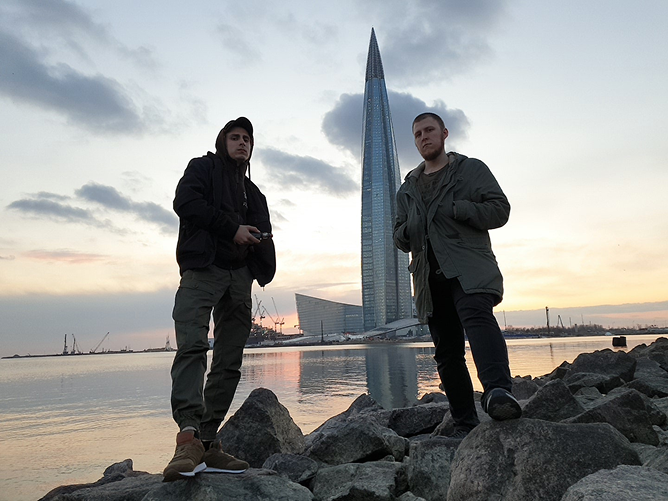
(Abigor, Asmo; St. Petersburg, 2019)
Back when Abigor was leaving, Asmo had already clearly stated his position: he wasn't going to stay in Orenburg either; it was just a matter of waiting for him a little while. And, of course, he kept his word. Having saved up some cash, he got into his car and sped across the entire country toward new adventures. Now, Asmo also had to go through a similar and no less thorny path. But doing this as a duo was no [longer as difficult].так тяжело.
Once they had more or less sorted out their immediate problems, everything began pointing to the fact that it was time to start creating again. This thought gave them no peace. But naturally, the hardest part of any endeavor is to actually START IT.
They spent a long time thinking about the best way to go, what to do, what material to start rehearsing, where to find a drummer, what to do about a vocalist and other band members, who to record the material with, and all the subsequent questions that naturally arise for musicians who work a day job and don't have much time left for creativity.
Yet, they just couldn't seem to reach any concrete decisions, only tormenting themselves with the thought that they simply had to start.
nd it wasn't until 2019 that Abigor finally moved to a phase of more active steps. Essentially, he wanted to see and understand how the concert industry in St. Petersburg worked, and the best way to do that was from the inside, so to speak. All in all, he decided to join some band, get some rehearsals in, and do a few shows.
Finding a band that truly resonated with him—one he could dive into headfirst and completely immerse himself in the creative process—proved impossible. However, he did manage to join a fairly well-known folk metal outfit that performed at both small local gigs and massive festivals like Taman or Folk Summer Fest. Aleksey showed up, played one rehearsal with them, and was effectively accepted into the band.
(Daniil Kuznetsov — the new drummer for the new band)
During the rehearsal, he noticed the playing of the young drummer, Daniil, who was sitting behind the kit. Abigor saw immense potential in the guy, which, in essence, he wasn't being allowed to unlock, because the drum parts written for him were extremely dull and simplistic, and he didn't really take much part in the creative process as a musician.
And right then it became clear: here he was, the potential, future drummer for the new band.
All it took was to get to know him better, find out what he wanted from his creative work, what kind of music he was into, and understand what kind of person he was overall. Then, if they saw eye to eye, the plan was to invite him to play together.
Abigor didn't play with this folk metal band for very long, but he still managed to hit the road for a couple of gigs as their guitarist.
As for the desire to study the industry better from the inside, that actually happened even before Abigor returned to the stage. It was enough to attend a handful of local gigs to realize that things were pretty much the same as in Orenburg. Just like back home, where barely anyone goes to metal shows, in St. Petersburg, nobody really wants to bother with organizing, hosting, or anything else either.
"Sure, there are some pathetic attempts to keep things alive, but you can forget about sold-out shows at the local level. There is no money here, and consequently, no everything else.
f course, a fairly large crowd gathers for a-list bands without any issues, but if we’re talking about the local scene, things here are not nearly as bright.
In the end, here is how it turned out: Aleksey befriended his future drummer and started testing the waters, suggesting they could try playing a slightly different kind of music, since there was a ton of material, an existing bass player, absolute freedom regarding drum parts, grand plans for world domination, and yes—cookies were included too. In short, he began promoting the idea of the drummer joining his band. Naturally, it could easily be combined with his other commitments, if he wanted to.
Daniil didn't think twice about it, as he was already planning to leave the folk metal band since he didn't see much of a future for himself there. In the end, he accepted the offer. At long last, a lineup had come together, and they could finally hit the studio and start working.
Parallel to all the events described above, Abigor and Asmo were figuring out how things would unfold in general. They consulted, brainstormed, and weighed their options, but ultimately settled on the idea that it would be great to record and release all the material that had been written back when Zhnec was still active.
(Новый логотип 2020)
For these purposes, naturally, a vocalist was needed. Without a second's hesitation, the only right decision was made—to approach the band's rightful vocalist, Grolian, with the offer.
They outlined the situation and a rough plan of action; Aleksandr, of course, responded with enthusiasm and joy to this call to arms.
They decided to start with the song 'Pandemiya' (Pandemic) and found a local engineer to mix the track. However, things didn't go well with him from the very beginning due to a lack of proper feedback. Despite that, the band still managed to get the first instrumental version of the song.
Next, they needed to figure out the best way to mark the revival of the band's activity. After all, simply posting that Zhnec was back in action felt somewhat 'pas comme il faut' and completely unprofessional; they needed at least some kind of solid proof."
Breakdown of Tricky Parts (Translation Notes)
Breakdown of Tricky Parts (Translation Notes)
The song that Zhnec had started recording would be a perfect fit for this, but they just needed to polish it up and finish it properly.
Aleksandr suggested reaching out to their fellow countryman, Viktor Zelenin, the guitarist and founder of the ULTRAHARDFEELINGS project.
Grolian sorted everything out, they sent over the tracks, and received the second, now fully-fledged version of the song with an entirely new sound.
Meanwhile in Orenburg, Aleksandr made it to the studio, recorded the vocal tracks, and the whole thing was promptly mixed. They also decided it would be a good idea to update the band's logo.
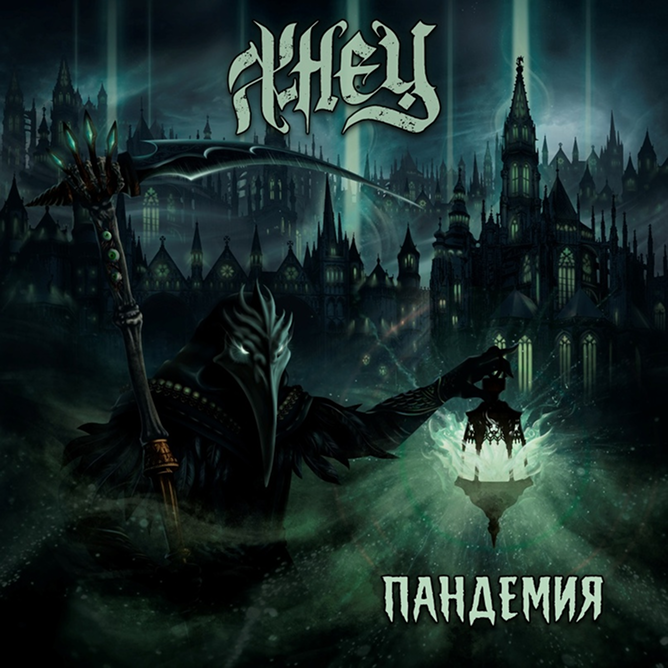
(Zhnec — Pandemiya; Single, 2020)
On July 3, 2020, the song was officially released — this day can be considered the second birthday of the band Zhnec.
In September 2020, the vocalist visited St. Petersburg on a business trip; the band finally gathered in its full lineup, held rehearsals, worked through new material, and discussed their future creative plans.
In the summer of 2021, the band released the album 'Zakat Bezlikikh' (Sunset of the Faceless).
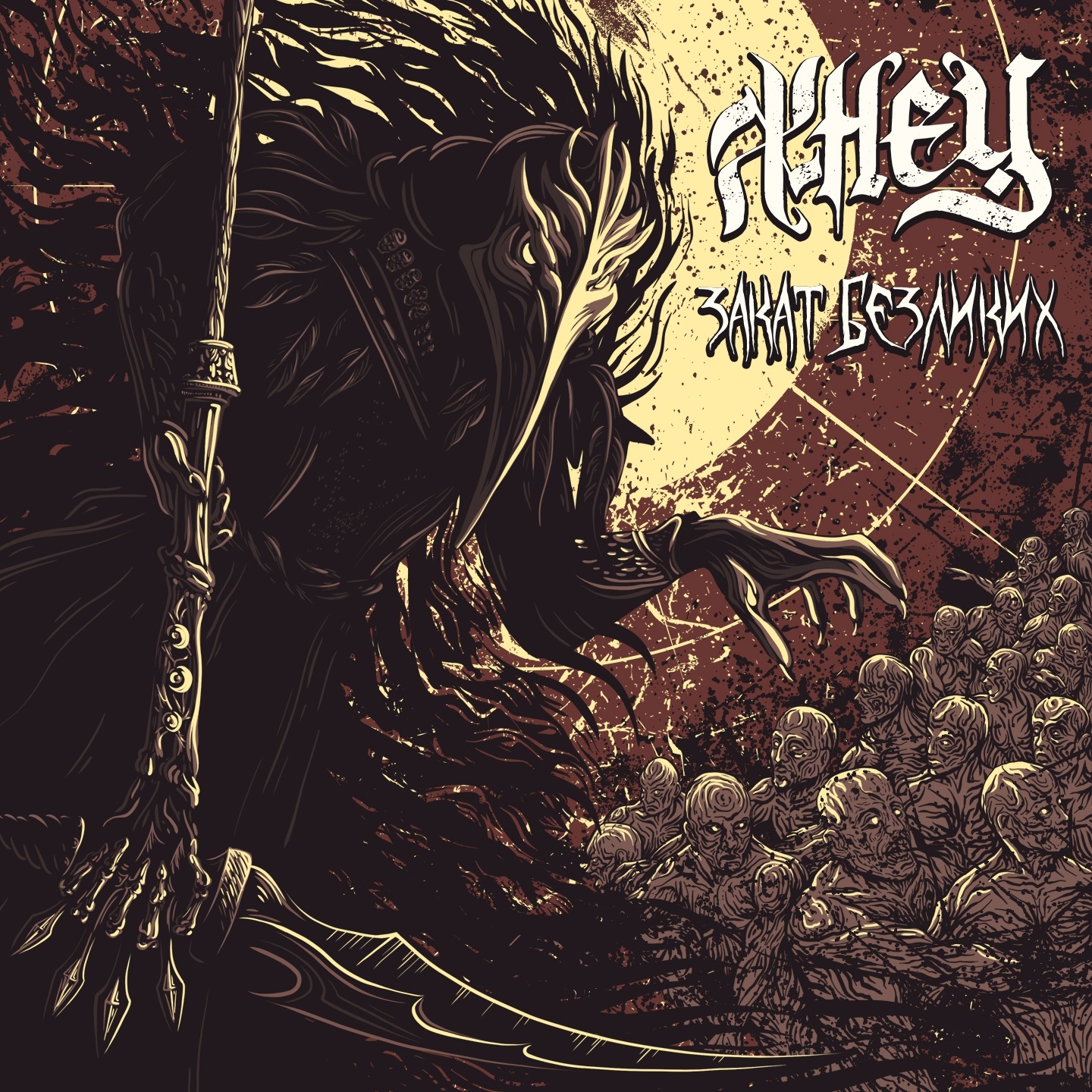
(Zhnec — Zakat Bezlikikh; Album, 2021)
That same summer, following the album's release, the band played a show in Moscow together with Pagan Reign.
The year 2021 was capped off with an online concert.
In the winter of 2022, the band embarked on a mini-tour across the Volga region to promote their album "Zakat Bezlikikh".
In May 2022, they released the single "Frostmourne"
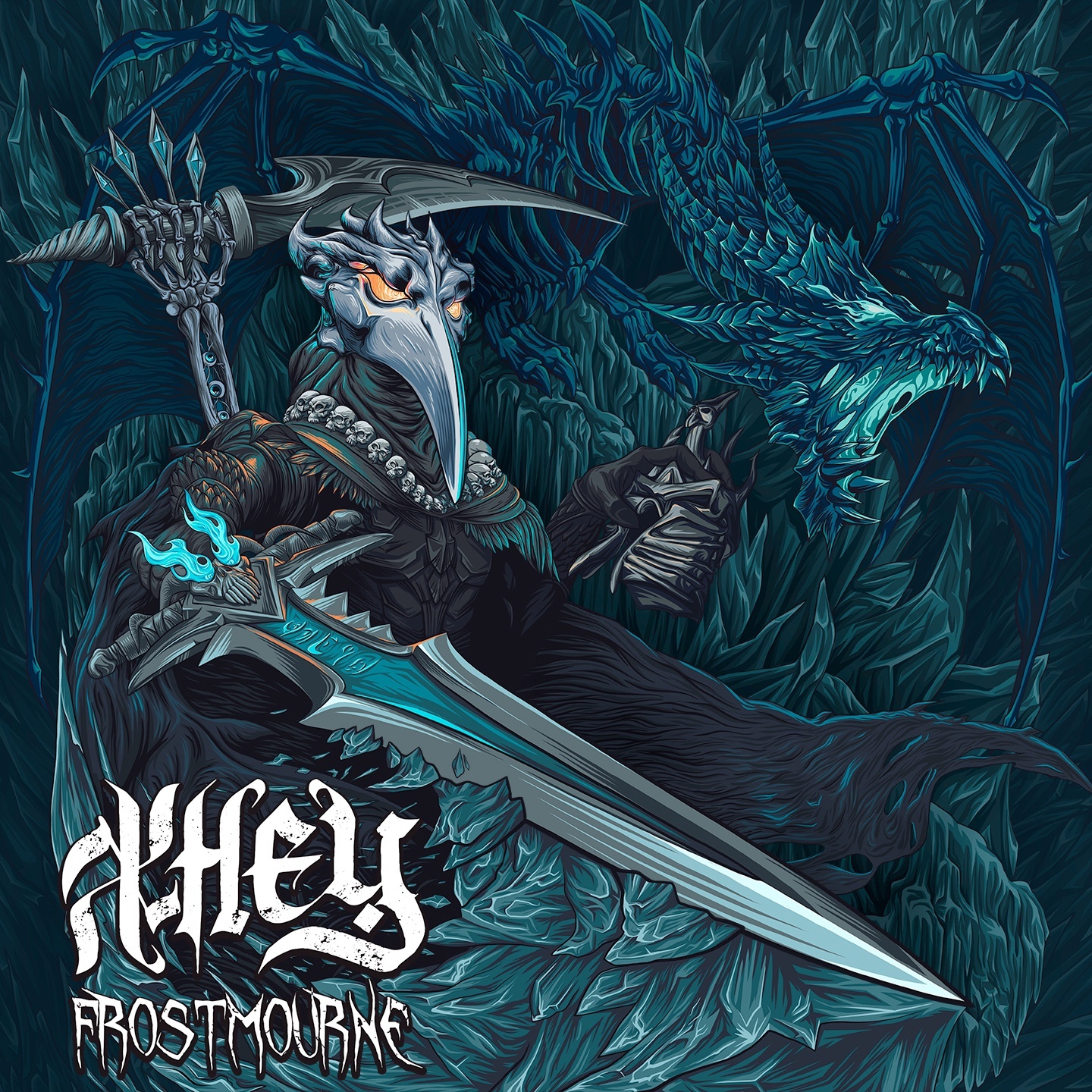
(Zhnec — Frostmourne; Single, 2022)
Also in 2022, the band took part in several concerts in St. Petersburg and Moscow.
On June 2, 2023, Zhnec began tracking their second full-length album, "Lies and Contempt" (Lies and Contempt).
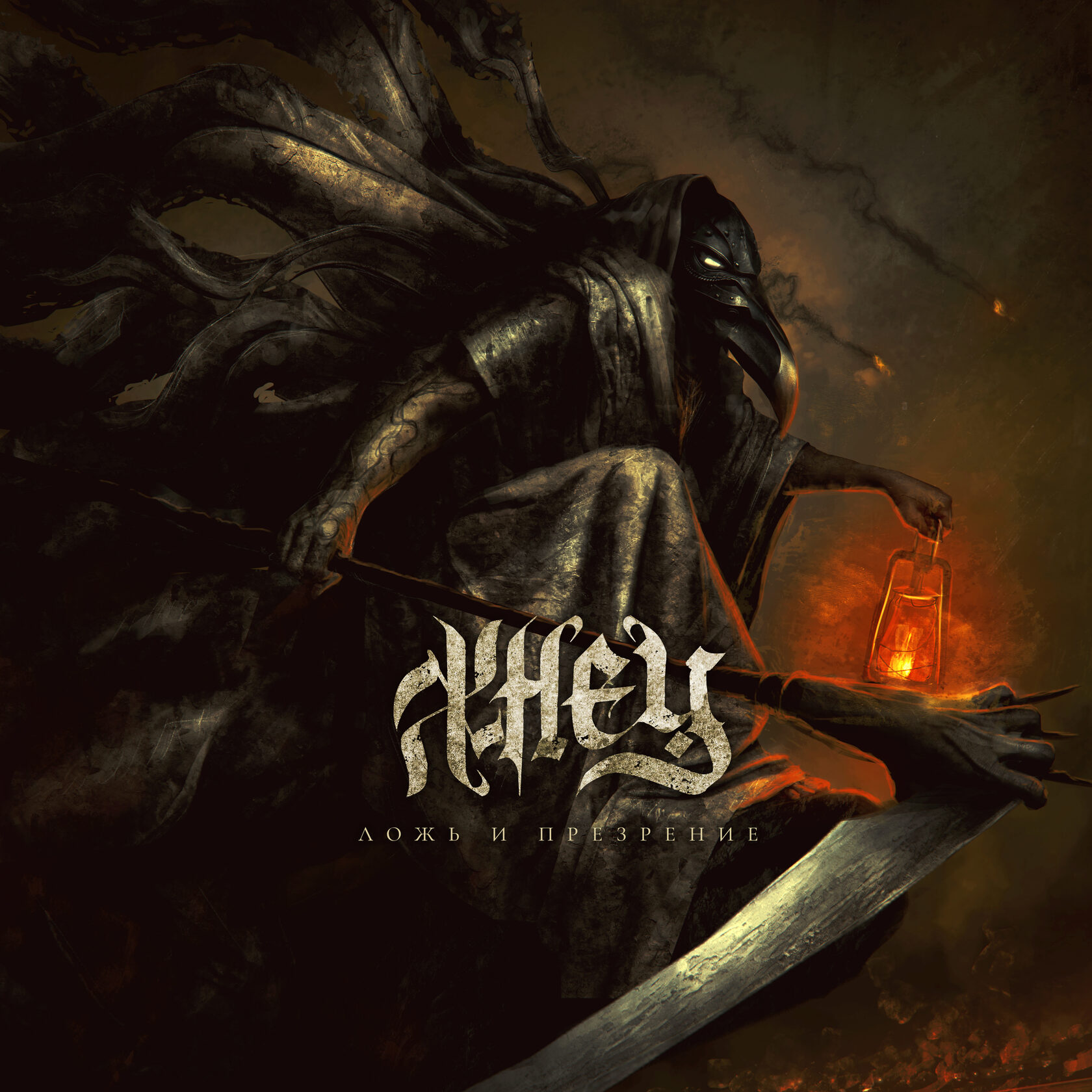
(Zhnec — Lozh i Prezrenie; Album, 2025)
The work on the album dragged on, and it took the band two years to bring their vision to life. Ultimately, the album saw the light of day on June 19, 2025.
Currently, the band is rehearsing all of their existing material, preparing for upcoming shows, and already working on new tracks.
By continuing to use this website, you agree to the use of cookies and data processing in accordance with the personal data processing and Protection Policy